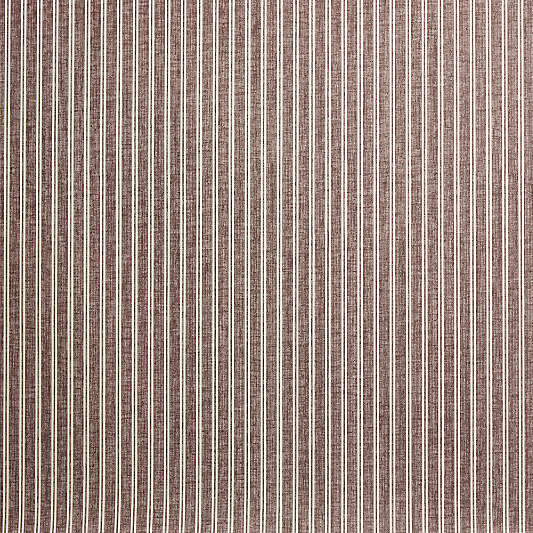
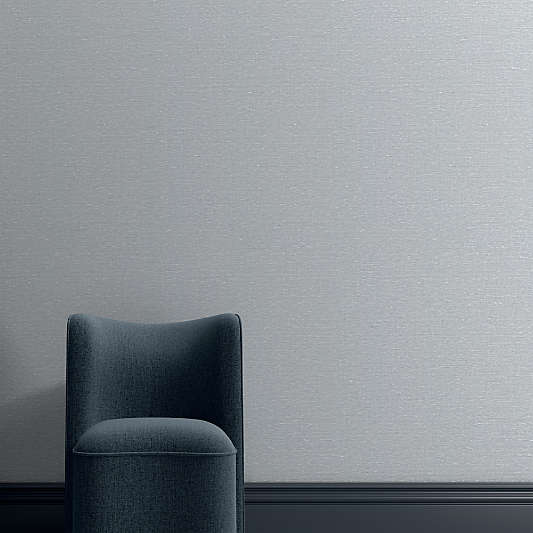
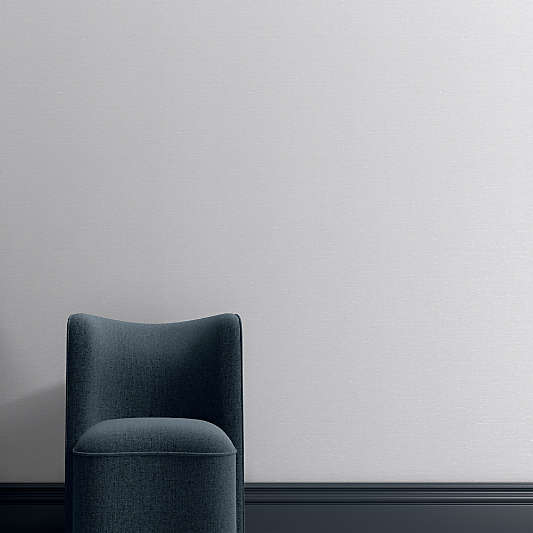
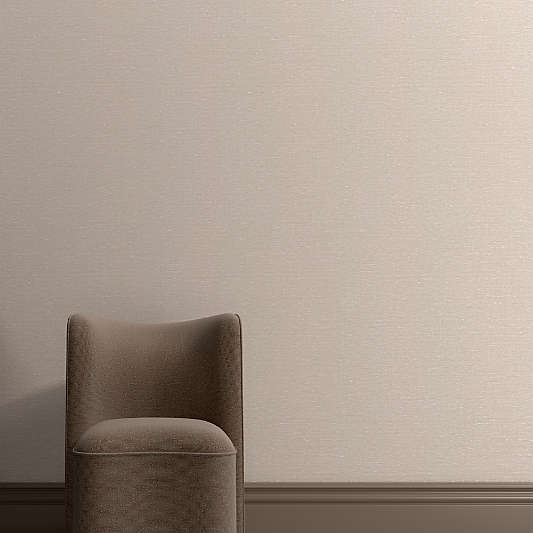
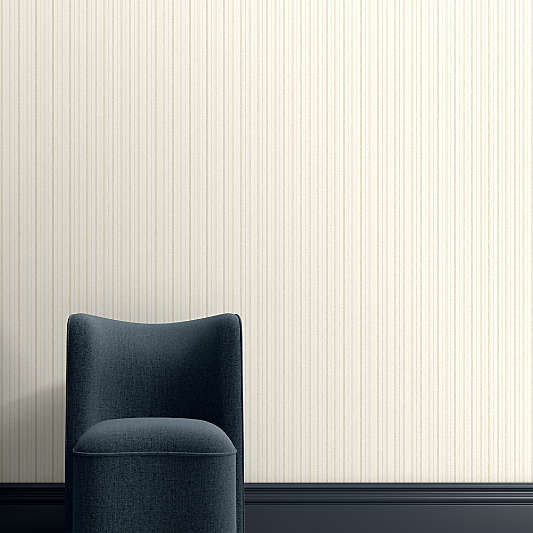
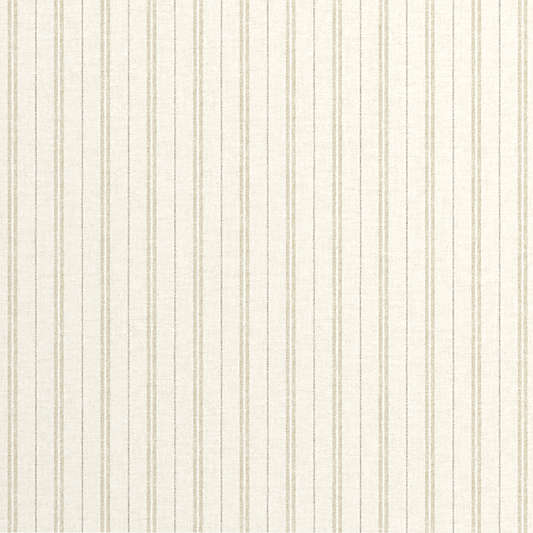
Something catch your eye?
Save it to Favorites
Create a Mood Board
See it all together
 View Favorites
Are you missing items in your cart?
to see items you may have added using another computer or device.
View CartHow to Choose Wallpaper

The
Wallcovering
Guide
we can help you choose, measure & order

Order Free Samples
Get up to 10 free wallpaper samples,
delivered in 5–7 business days.

100% Free Design Help
Meet with a designer, get
3D previews of your space & more.

Free Store Pickup
Order online and pick
up at a store near you.
How to Choose Wallpaper for Every Room

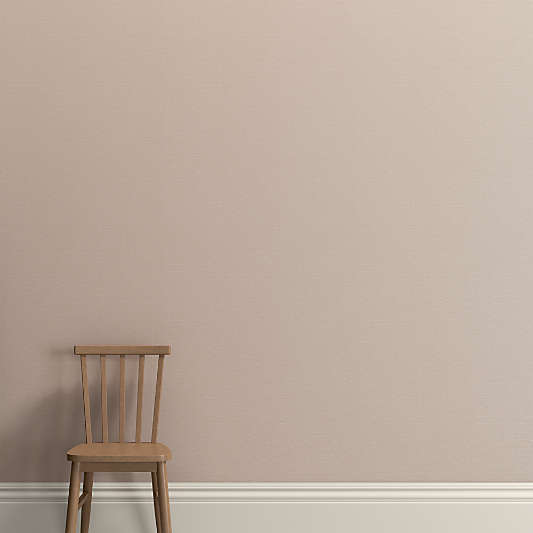
The right wallpaper can shift the entire feel of a room, through color, pattern, texture or all three.
Choosing one starts with material, scale, durability and installation. All factor into how wallpaper will look
and live in your space. Here’s what to consider, from finding the right type of wallpaper to measuring your
walls and determining how much you’ll need.
Wallpaper Materials: Performance, Aesthetics & Application

A textural wallpaper can bring warmth and dimension to a bedroom or living space, while more durable
materials make sense in areas prone to moisture, messes or everyday wear. Narrow down the best fit for
your space by material:
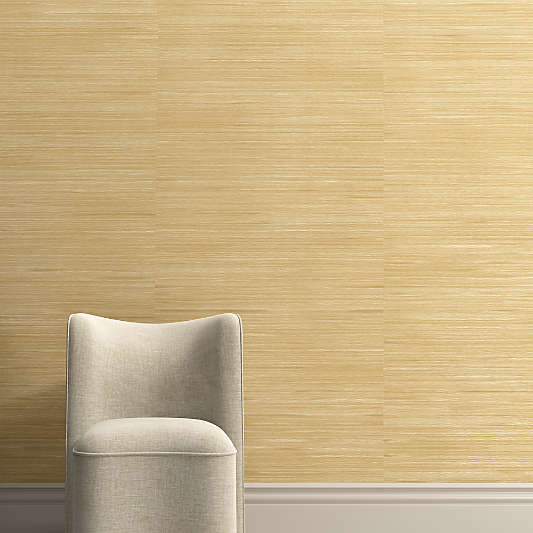
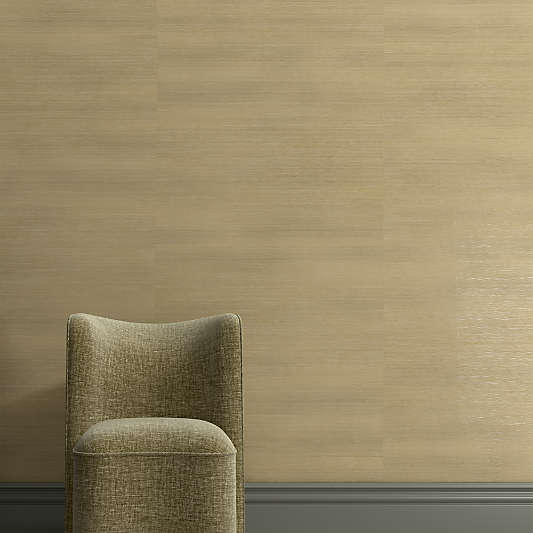
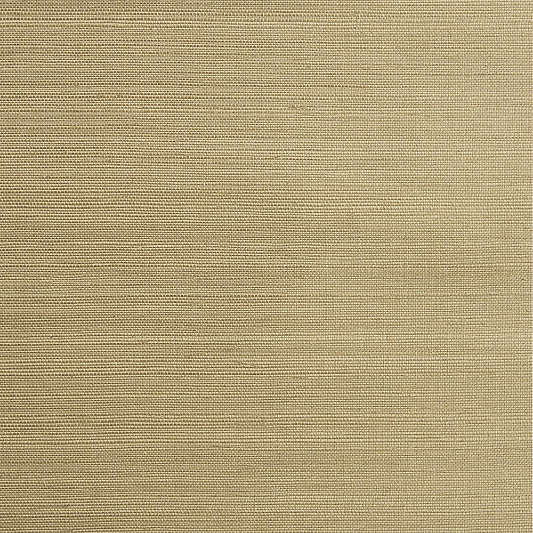
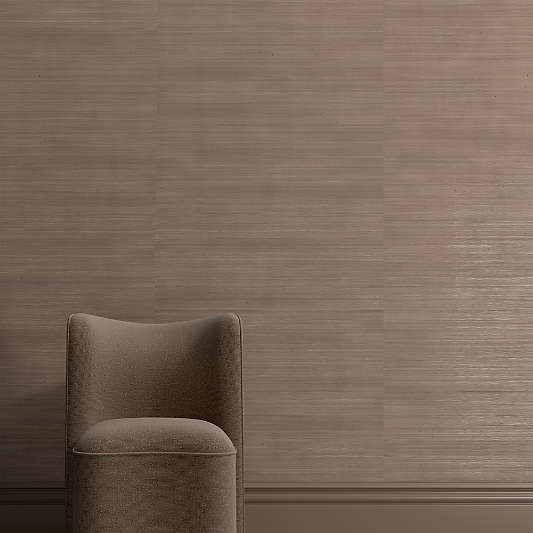
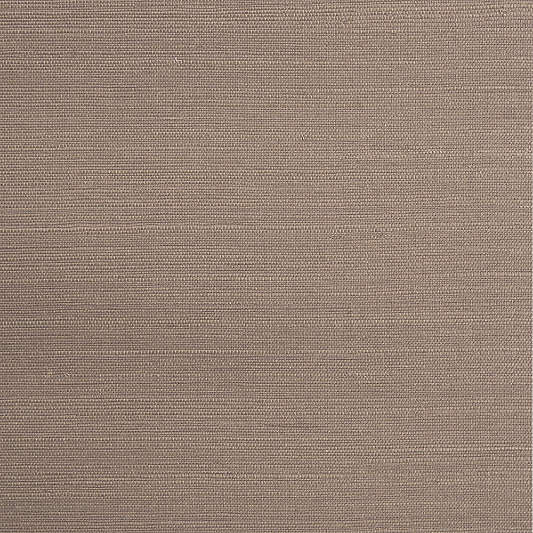
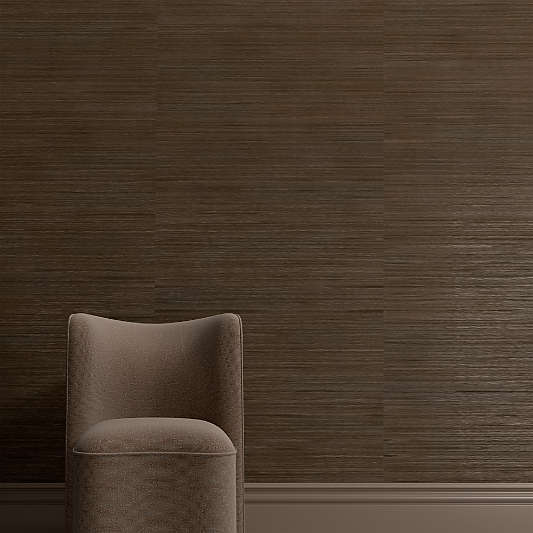
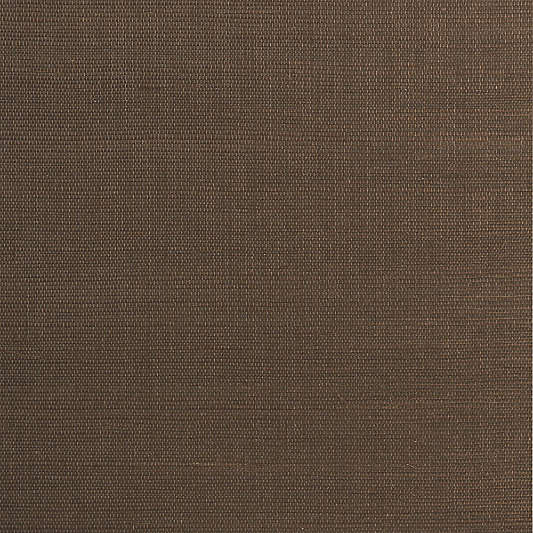
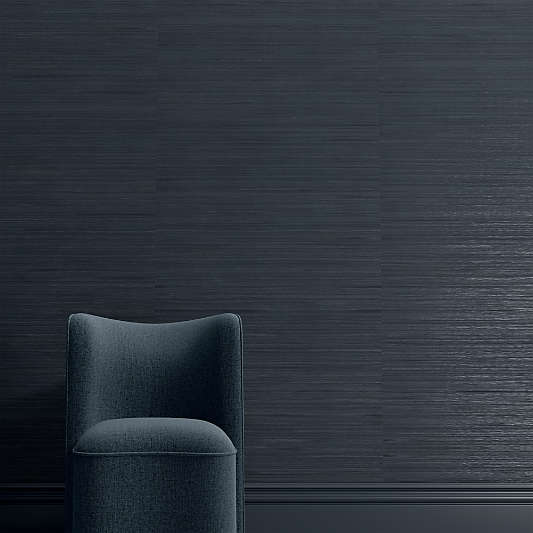
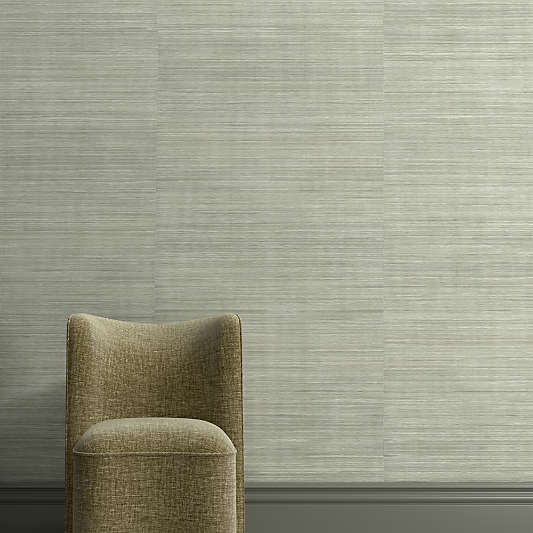
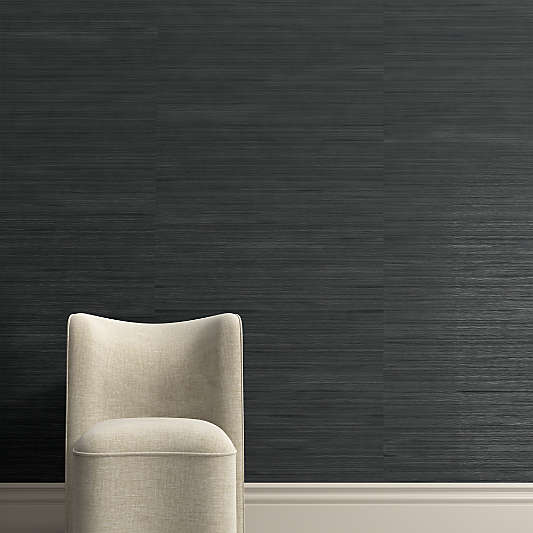
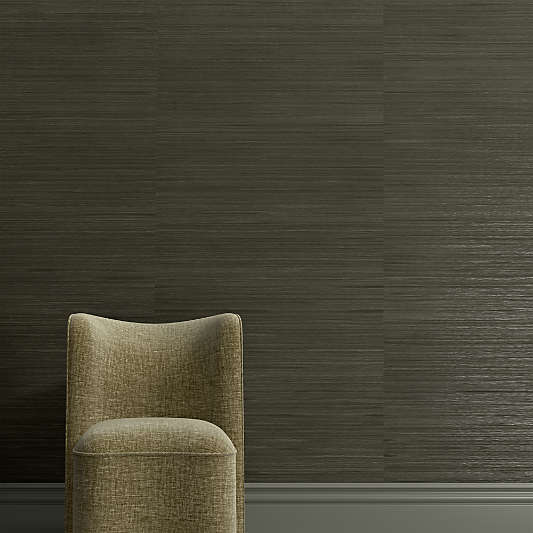
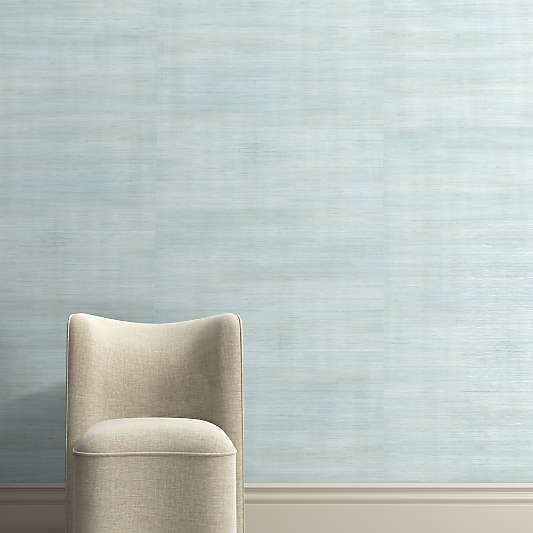
Grasscloth & Woven Wallpaper
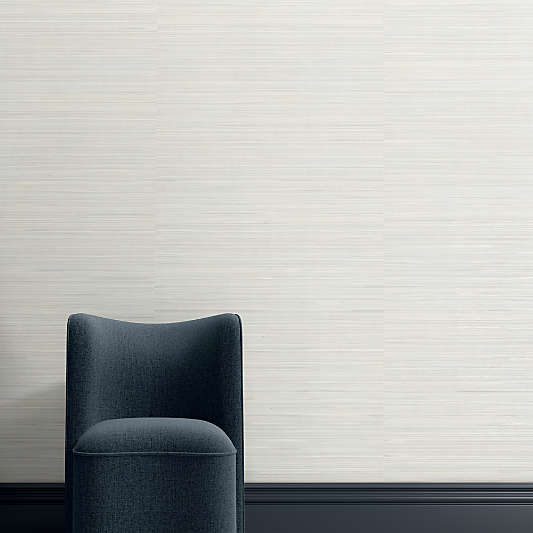
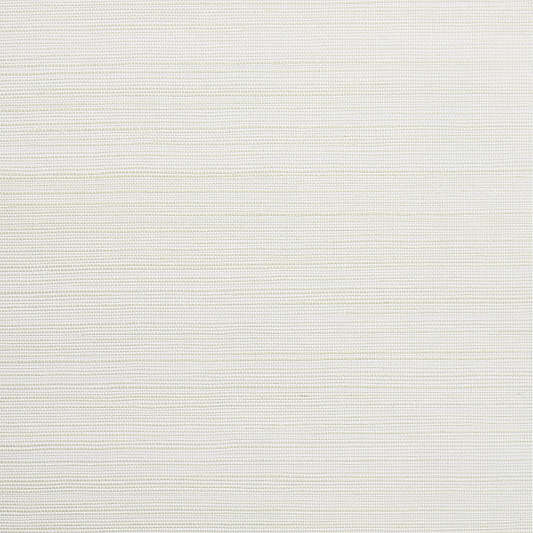
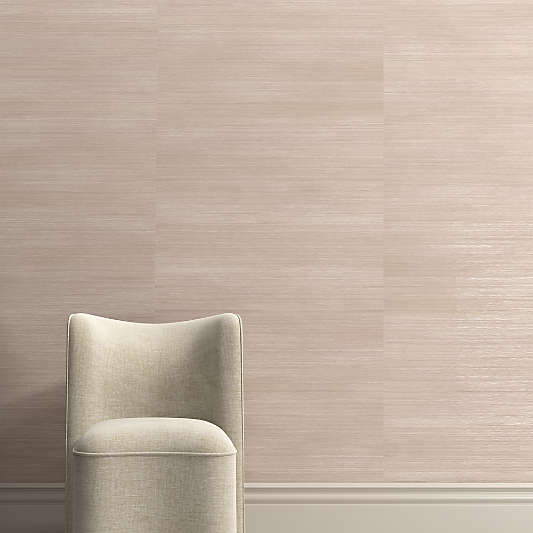
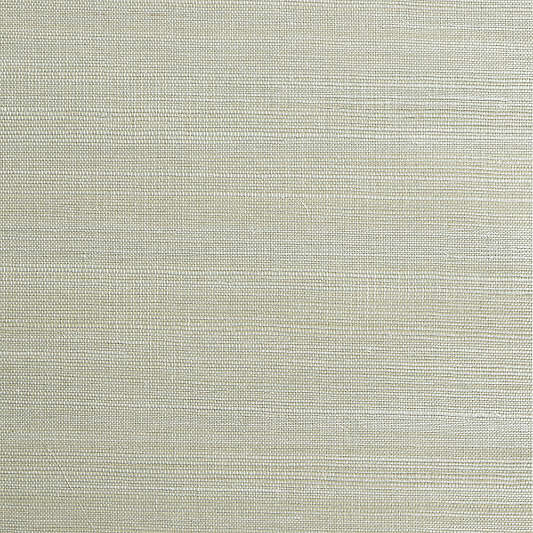
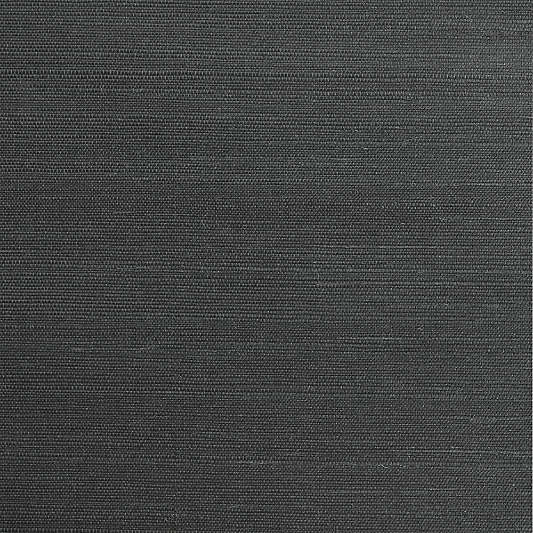
For natural texture and dimension, grasscloth and woven wallpapers add depth without relying on
pattern alone. Made with natural fibers, grasscloth has slight variations in color and texture that give
walls a rich, layered look.
Try it in a living room, dining room, bedroom or home office, where its tactile quality can bring warmth to
the space. Because natural fibers can be more sensitive to moisture and staining, grasscloth is best
reserved for dry areas.
Pasted Wallpaper
A classic choice for a more permanent installation, pasted wallpaper comes in an extensive range of
colors, patterns and finishes. Depending on the wallpaper, adhesive is applied either to the paper itself or
directly to the wall.
Pasted wallpaper works throughout the home, particularly in spaces where you want the design to last
for years.
Performance Vinyl Wallpaper
For rooms that see more moisture, messes or everyday activity, performance vinyl offers added durability
with a surface that’s easy to wipe clean. That makes it a practical option for kitchens, bathrooms,
entryways and kids rooms.
Peel & Stick Wallpaper
Peel-and-stick wallpaper offers a simpler way to introduce pattern or color without committing to a
traditional pasted application. A self-adhesive backing makes it approachable for DIY installation and
easy to change when you’re ready for a new look.
Use it to refresh an entire room or to a single accent wall, nook or other small space.
How to Measure for Wallpaper

Before ordering wallpaper, take careful measurements of every wall you plan to cover. Start by measuring
the height and width of each wall, then multiply the two numbers to find its square footage.
For multiple walls, measure each one individually rather than assuming they’re identical. Small variations
can make a difference when it comes time to install.
And while it might seem logical to subtract windows and doorways, it’s generally better to include them
in your measurements. The extra wallpaper allows for trimming, pattern matching and working neatly
around architectural details.
Measuring Around Doors, Windows & Architectural Details
Doors, windows, built-ins and other details require additional cuts during installation. Measure the full
wall as if those details weren’t there rather than subtracting their square footage from your total.
For particularly complex walls (think: multiple windows, angled ceilings or built-in cabinets) take
individual measurements and note their placement. The more detailed your measurements are up front,
the easier it will be to estimate the right amount of wallpaper.
How to Account for Pattern Repeat
Pattern repeat refers to the distance before a design begins again—so each strip needs to be positioned
so that the pattern aligns with the one before it.
Generally, the larger the repeat, the more wallpaper you’ll need to allow for matching. Check the pattern
repeat and match type listed with your wallpaper before calculating the quantity you’ll need.
How Much Wallpaper Do You Need?
Once you have your measurements, use this basic formula to estimate how much wallpaper you’ll need:
Wall width × wall height = total square footage
For multiple walls, calculate the square footage of each and add the totals together.
Then:
Total wall square footage ÷ usable square footage per roll = number of rolls needed
Always round up to the next full roll.
Keep in mind that this is a starting point. Pattern repeat, trimming and architectural details can increase
the amount of wallpaper required. Ordering extra also gives you some flexibility during installation, and
the amount of material to keep on hand if you need to make a repair later.
How to Style Wallpaper

The right design can create your room’s palette, add visual interest or provide the element that pulls your
whole look together.
Find the Right Scale
An oversized botanical or bold pattern can make even a small bathroom, entryway or other small space
feel really stylish and expressive. Big patterns don’t always have to stay in big rooms.
In larger rooms, scale matters in a different way. Bigger patterns in bigger rooms have the space to
unfold, while subtle textures and tonal colors can cover more surface area without competing with the
rest of the room.
Start With What You Already Have
If you already have furniture and other accents, pull a color from a rug, sofa, bedding or artwork to create
a connection between the walls and the rest of the room.
In a room with patterned upholstery or textiles, a quieter wallpaper can add depth without adding visual
noise. Against mostly solid, neutral furniture, a bold pattern can become the piece that pulls the room
together.
Go All In or Choose One Wall
Wallpapering all four walls gives the room a distinct point of view. It can work beautifully in bedrooms and
dining rooms and can make smaller spaces feel intentional.
For a more focused statement, choose an accent wall to draw the eye: behind the bed, along a dining
area or framing a console. Let the architecture and furniture placement guide where the wallpaper begins
and ends.
Choose Wallpaper for the Room
In a bedroom, consider softer palettes, organic patterns or textural designs that create a calmer
backdrop. Living and dining rooms can handle more visual impact, from graphic geometrics to large-
scale botanicals and richly textured grasscloth.
In bathrooms and kitchens, material is important; look for wallpaper designed to perform in spaces
where messes happen. For kids rooms, durability matters, but so does longevity. A pattern with room to
grow can evolve with the space as furniture, bedding and decor change.